
What Causes Migraines in Women?
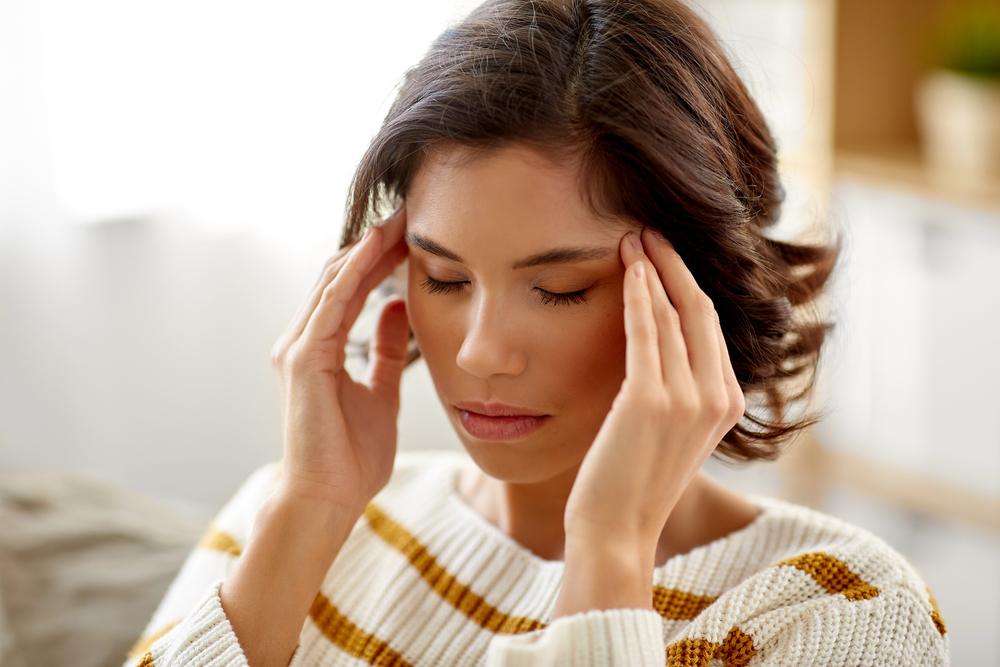
Migraines affect women three times more often than men, largely due to hormonal fluctuations and differences in biological sensitivity. Understanding what triggers migraines in women—especially around menstruation, pregnancy, and menopause—can help you prevent attacks and manage them more effectively.
This guide breaks down the most common hormone-related and lifestyle triggers and explains why women experience migraines more frequently.
Quick Answer
The most common cause of migraines in women is fluctuating oestrogen levels, especially around menstruation, pregnancy, postpartum, and perimenopause. Stress, sleep changes, specific foods, weather changes, and medication overuse also contribute.
How Hormones Trigger Migraines in Women
Hormonal changes are the no.1 reason women get migraines more often. Oestrogen influences pain sensitivity, serotonin levels, and the dilation of blood vessels in the brain—all key migraine mechanisms.
1. Menstrual Cycle Changes (Menstrual Migraines)
Menstrual migraines occur when oestrogen levels drop sharply right before the period.
Why they happen:
- Oestrogen falls 2–3 days before menstruation
- This drop increases inflammation in the brain
- It lowers serotonin, a chemical that regulates pain
Typical timing:
- Roughly 2 days before the period
- Up to 3 days after bleeding starts
Whey they're often worse:
- They tend to last longer
- They respond poorly to standard painkillers
- They are commonly more intense than non-menstrual migraines
2. Pregnancy and Postpartum Hormone Shifts
Hormonal changes during pregnancy affect women differently:
During pregnancy:
- Many women experience fewer migraines due to stable oestrogen levels
- First-trimester migraines may worsen before stabilising
After childbirth (postpartum):
- A sudden oestrogen crash can trigger strong headaches
- Lack of sleep and stress amplify the triggers
3. Perimenopause and Menopause
During perimenopause, hormones fluctuate dramatically.
Perimenopause:
- Irregular oestrogen spikes
- Increased migraine frequency
- More intense symptoms
Menopause:
- After hormones stabilise, migraines often improve
4. Birth Control Pills and Hormonal Contraceptives
Hormonal contraception can help or worsen migraines depending on the type.
They may worsen migraines if:
- Your pill has high oestrogen
- You get migraines during the pill-free (sugar pill) week
They may improve migraines if:
- You use a continuous pill (no pause week)
- Your migraines are triggered by ovulation
Always consult a doctor before changing contraception, especially if you get migraines with aura.
Other Causes and Triggers of Migraines in Women
Hormones aren’t the only reason migraines happen. Many women have additional lifestyle, environmental, or food triggers.
5. Stress and Anxiety
Stress is one of the biggest non-hormonal triggers.
How stress triggers migraines:
- Raises cortisol and adrenaline
- Tenses neck and scalp muscles
- Disrupts sleep
- Causes “let-down migraines” after stress ends (common on weekends)
6. Sleep Disturbances
Both too much and too little sleep can trigger migraines.
Common sleep-related triggers:
- Staying up late
- Oversleeping
- Poor REM sleep
- Jet lag
- New parents with irregular sleep cycles
7. Diet-Related Triggers
Food doesn’t cause migraines, but certain eating habits can trigger them.
Common triggers:
- Skipping meals
- Dehydration
- Excess caffeine or caffeine withdrawal
- Chocolate
- Processed meats
- Aged cheeses
- Alcohol, especially red wine
8. Sensory Triggers (Light, Smells, Noise)
Women tend to be more sensitive to sensory triggers during hormonal changes.
Examples:
- Bright or flickering lights
- Strong perfumes
- Loud environments
- Chemical smells
9. Weather and Environmental Changes
Weather changes affect the pressure in your blood vessels, which can trigger migraines.
Common factors:
- Storm fronts
- High humidity
- Heatwaves
- Barometric pressure drops
- Sudden temperature changes
10. Medication Overuse (Rebound Headaches)
Using pain medication too frequently can cause medication-overuse migraines.
High-risk medicines:
- Ibuprofen
- Paracetamol
- Aspirin
- Codeine-based medicines
- Triptans
If you’re using pain relief more than 10–15 days per month, speak to a doctor.
Why Are Migraines More Common in Women?
Women are up to three times more likely to experience migraines due to:
- Monthly oestrogen fluctuations
- Hormonal life phases (pregnancy, postpartum, perimenopause)
- Greater sensitivity to stress and sensory triggers
- Genetic predisposition—migraines often run in families
Fluctuating hormones are the biggest reason migraines hit women harder and more often. Read our blog post “Why do women suffer more migraines than men?” to find out more.
When Should Women See a Doctor About Migraines?
You should speak to a doctor if:
- Your migraines are getting more frequent
- They interfere with work or daily life
- OTC painkillers no longer work
- You experience migraines with aura
- You’re unsure if hormones are contributing
- You’re pregnant or postpartum and experiencing new symptoms

