Home / Blog / International Women’s Day and Beyond
International Women’s Day and Beyond: Empowering Women’s Health in 2026
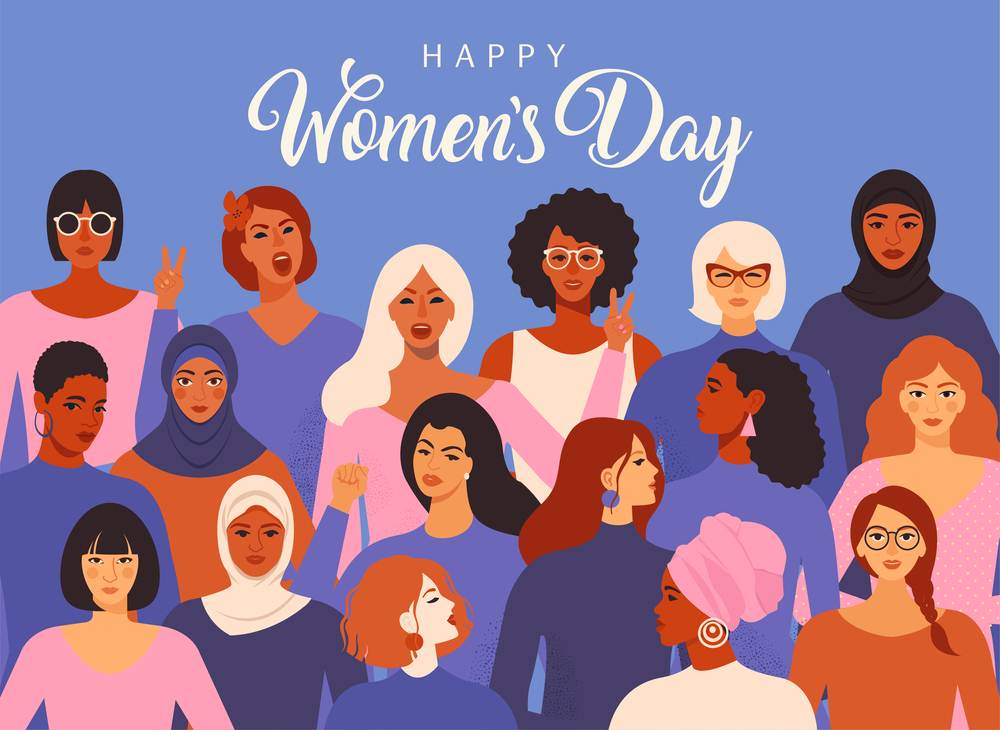
March 2026 feels electric in Australia. International Women’s Day on March 8 lands right in the heart of a month buzzing with events, awareness campaigns, and real progress on women’s health. This year, the global conversation is loud and clear: it’s time for action, justice, and balance.
The United Nations theme for IWD 2026 is “Rights. Justice. Action. For ALL Women and Girls”, urging us to defend and expand rights in the face of threats to equality. In Australia, UN Women Australia and many local campaigns have embraced “Balance the Scales” — a powerful call to address structural inequalities so every woman and girl, no matter her background, can live safely, be respected, and shape her own life.
For Brisbane locals, the timing couldn’t be better. With events kicking off as early as March 3 and running through the month, this is more than a single day of celebration — it’s a launchpad for lasting change, especially in women’s health.
What's Happening for International Women’s Day 2026 in Brisbane and Queensland
Brisbane is alive with IWD energy this March. From parliamentary breakfasts to fun runs, lunches, and panels, there’s something for everyone.
The big day, March 8, features the Mater Foundation Fun Run (a scenic 5km course from Southbank to City Botanic Gardens) and the iconic International Women’s Day Fun Run forming a “Sea of Pink” to raise awareness for breast cancer and women’s resilience.
Many events now weave in wellness and health discussions — from panels on midlife transitions to community hubs highlighting reproductive and hormonal health. If you’re in Brisbane, check sites like iwd.net.au, Eventbrite, or internationalwomensday.com for tickets and details. Even small gatherings — a coffee catch-up or workplace morning tea — can spark meaningful talks about women’s health.
Key Australian Women's Health Wins in 2026
The real story of 2026 isn’t just events — it’s tangible progress from the Albanese Government’s landmark Women’s Health Package (over $792 million invested since 2025). One year on, the results are impressive and life-changing.
Menopause and Perimenopause Support
Since July 2025, over 71,000 women have accessed Medicare-rebated menopause health assessments. These GP visits cover symptoms, management options, and holistic care — a game-changer for many navigating hot flushes, mood changes, sleep issues, and more.
The first new PBS listings for menopausal hormone therapies in over 20 years (like Estrogel and Prometrium) have helped 363,000 women save $45.4 million on 1.5 million scripts in the past year. From January 2026, PBS co-payments dropped to a $25 cap (concessional at $7.70), easing cost-of-living pressures further.
National clinical guidelines for perimenopause and menopause are in development, and Australia’s first dedicated awareness campaign launches this year to reduce stigma and improve understanding.
Endometriosis and Pelvic Pain
The network of specialised clinics expanded dramatically. Eleven new ones opened, bringing the total to 33 nationwide (at least one per Primary Health Network region). Many are now providing perimenopause and menopause care alongside endometriosis support. Over 6,700 women accessed PBS-subsidised endometriosis treatments, saving $4.9 million on 26,000 scripts.
This multidisciplinary approach — including allied health, pain management, and gynaecological support — addresses overlapping issues like chronic pelvic pain, PCOS, and hormonal transitions.
Broader wins include cheaper contraceptives (hundreds of thousands of women saving millions) and integrated care that tackles mental health, workforce participation, and long-term wellbeing. These changes show the government listening: women spoke about high out-of-pocket costs, delayed diagnoses, and fragmented care — and policy responded.
Why This Matters: Empowering Women’s Health Beyond One Day
“Balance the Scales” and “Rights. Justice. Action.” aren’t abstract slogans — they’re directly tied to health equity. Women’s health issues like endometriosis (affecting 1 in 9 Australian women) and menopause (impacting half the population) have historically been under-researched, under-funded, and dismissed. Delayed diagnoses, workplace stigma, and financial barriers compound the problem.
In 2026, we’re seeing momentum: expanded clinics mean regional and outer-suburban Queensland women can access expert care closer to home. Medicare rebates remove financial hurdles for assessments. PBS subsidies cut costs dramatically. Awareness campaigns normalise conversations about periods, pelvic pain, brain fog, and hormonal shifts.
This is justice in action — dismantling barriers so women can thrive at every stage. It supports workforce participation (fewer women leaving jobs due to unmanaged symptoms), mental health (addressing mood and sleep links), and overall quality of life. For diverse communities in Brisbane — multicultural, regional, or First Nations — inclusive resources (multilingual info via Jean Hailes or Health in My Language) make a real difference.
Practical Ways to Empower and Get Involved in 2026
Personal steps
Book a Medicare menopause/perimenopause health assessment with your GP (MBS items 695/19000). Discuss symptoms openly; explore PBS-subsidised options. Check for local Endometriosis and Pelvic Pain Clinics (True Relationships in regional QLD is a great example).
Community action
Attend an IWD event with a health focus. Share stories on social media using #IWD2026, #BalanceTheScales, or #GiveToGain. Support organisations like Jean Hailes for Women’s Health, Endometriosis Australia, or Share the Dignity.
Workplace advocacy
Push for menopause-friendly policies (flexible hours, awareness training) or join networks discussing women’s health.
Give back
Donate, volunteer, or fundraise — whether through Mater Foundation runs or clinic support programs.
Wrapping Up: A Launchpad for Real Change
International Women’s Day 2026 isn’t just about reflection — it’s about acceleration. With events filling Brisbane’s calendar, record investments delivering cheaper medicines and better access, and themes demanding rights, justice, and action, Australian women are gaining real tools to empower their health.
By supporting these changes — through conversations, attendance, advocacy, or simply booking that GP appointment — we all benefit. When women thrive, families, workplaces, and communities do too.
Let’s balance the scales together. Happy International Women’s Day — and here’s to a healthier, more equitable 2026 and beyond.
Sources: Australian Government Department of Health and Aged Care, UN Women Australia, Endometriosis Australia, event listings from iwd.net.au and internationalwomensday.com (as of March 2026). Always check official sites for the latest event details or eligibility.