Home / Blog / The Impact of Menopause Symptoms on Daily Life
The Impact of Menopause Symptoms on Daily Life
Menopause is a completely natural stage of life, yet it often catches many women off guard with symptoms that can disrupt their routines, relationships, and overall wellbeing. It usually occurs between the ages of 45 and 55, but every woman’s experience is unique. Some notice mild changes, while others face symptoms that significantly affect their daily life.
Understanding what’s happening in the body — and why these symptoms appear — is the first step to feeling more in control. This guide breaks down the common menopause symptoms and how they can impact everyday living, along with practical strategies to make this transition more manageable.
What Is Menopause?
Menopause marks the end of menstrual cycles and fertility, defined as going 12 consecutive months without a period. But menopause isn’t a single moment — it includes three phases:
Perimenopause: The transition phase where hormones begin fluctuating
Menopause: The point when a woman has gone 12 months without menstruation
Post-menopause: The years after menopause, when symptoms may continue or gradually ease
During this time, levels of oestrogen, progesterone, and testosterone shift. These hormonal changes are responsible for the wide range of physical and emotional symptoms that many women experience.
Common Menopause Symptoms
Menopause comes with more than just hot flashes. Symptoms can vary, but some of the most common include:
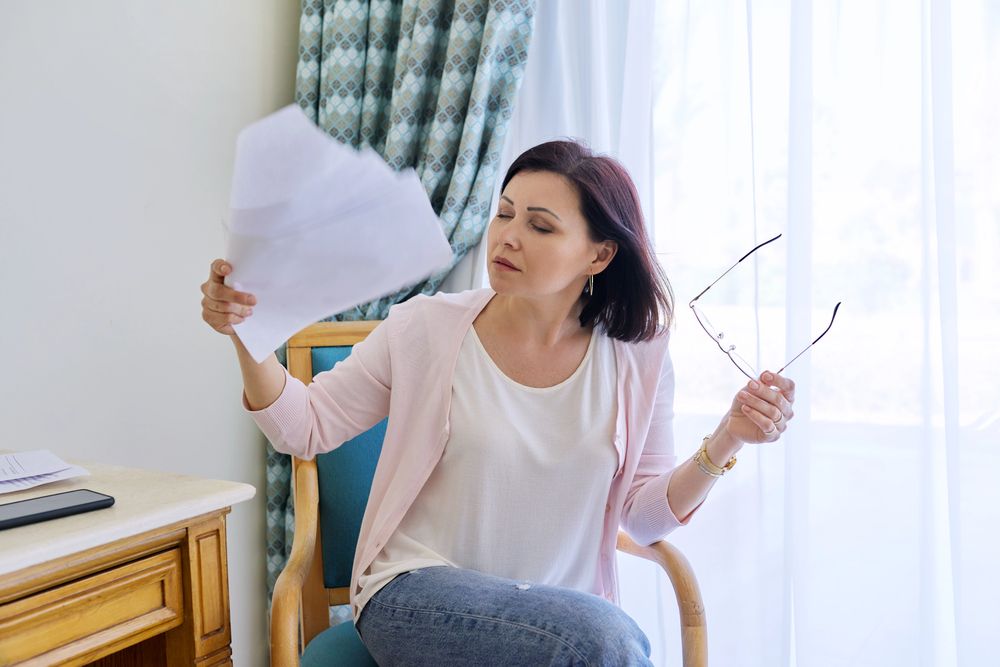
Hot flashes and night sweats
Sleep disturbances or insomnia
Mood swings, anxiety, and irritability
Vaginal dryness and discomfort
Reduced libido
Weight gain or slowed metabolism
Brain fog, forgetfulness, and difficulty concentrating
Joint pain, stiffness, and general body discomfort
Some women experience only a few of these changes, while others may deal with several at once — making daily life feel unpredictable.
How Menopause Symptoms Affect Daily Life
Impact on Work Performance
Hot flashes during meetings, brain fog affecting focus, or fatigue after a sleepless night can make work feel more challenging. These symptoms may also affect productivity, confidence, and stress levels. Increasingly, workplaces are beginning to recognise this and create environments that support women going through menopause.
Impact on Emotional Wellbeing
Hormonal fluctuations can influence mood, sometimes leading to irritability, anxiety, or feeling overwhelmed. When emotional changes hit unexpectedly, they can affect relationships with partners, children, colleagues, and friends. It’s important to remember that these feelings are normal and nothing to be ashamed of.
Impact on Sleep and Energy Levels
Night sweats and insomnia can disrupt sleep patterns, making it harder to feel rested. Poor sleep affects concentration, mood, and motivation, creating a cycle that can make daily life more demanding. Many women report feeling constantly tired during menopause, even when they believe they’re doing everything “right.”
Impact on Physical Health and Activity
Joint pain, stiffness, and decreased muscle mass can make exercise uncomfortable. Weight gain — especially around the midsection — is another common issue during menopause and can affect confidence. Physical changes may lead women to adjust their daily routines, from how they dress to how active they are.
Impact on Intimacy and Relationships
Reduced libido and vaginal dryness can make intimate moments uncomfortable or emotionally challenging. These changes can create tension, misunderstandings, or self-doubt within relationships. Open communication and appropriate treatment options can help couples navigate these changes together.
Coping Strategies for Managing Daily Life
Lifestyle Changes
Small daily adjustments can make a big difference:
Focus on balanced meals with whole foods
Drink plenty of water
Incorporate regular exercise to support hormonal balance
Keep bedrooms cool and comfortable at night
Avoid triggers like caffeine, spicy foods, and alcohol if they worsen hot flashes
Mental Health Support
Because menopause affects both mind and body, mental wellbeing is just as important. Techniques like meditation, deep breathing, journaling, and mindfulness can reduce stress. If emotions feel difficult to manage, speaking with a therapist can provide valuable support.
Medical and Therapeutic Treatments
Many women find relief through treatments such as:
Hormone Replacement Therapy (HRT)
Non-hormonal medications
Vaginal moisturisers and lubricants
Prescription treatments for sleep or mood changes
It’s important to consult a healthcare professional who can tailor treatments based on your symptoms and medical history.
Support Networks
Sharing experiences with other women going through menopause can be empowering. Whether through online communities, local groups, or close friends, having someone who understands what you’re experiencing can make the transition feel less isolating.
When to Seek Medical Advice
While menopause is natural, you shouldn’t feel like you need to “just push through it.” Seek professional advice if:
Symptoms interfere with work, sleep, or relationships
Emotional changes feel overwhelming
You’re unsure whether what you’re experiencing is normal
You want guidance on treatment options
Doctors can help identify underlying issues and provide personalised care to improve your quality of life.
Conclusion
Menopause is a significant transition, but it doesn’t have to take over your life. With the right support, lifestyle adjustments, and treatment options, it’s possible to manage symptoms and maintain a fulfilling daily routine. Every woman’s experience is different, so listen to your body, get the support you deserve, and know that you’re not alone during this journey.