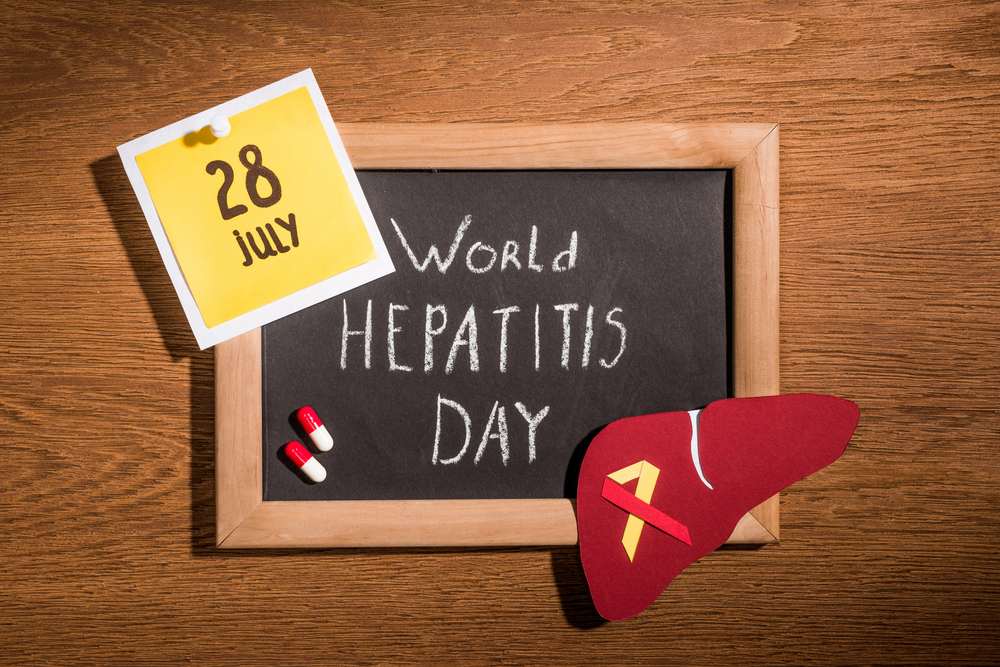
28 July 2026 marks World Hepatitis Day, an annual global campaign to raise awareness of viral hepatitis and accelerate efforts toward its elimination as a public health threat by 2030. This year’s theme, “Hepatitis: Let’s Break It Down!”, calls on governments, communities, and individuals to dismantle the barriers — stigma, lack of awareness, limited access, and systemic gaps — that prevent people from accessing life-saving prevention, testing, and treatment.
Despite remarkable scientific progress, viral hepatitis remains a silent killer. In 2024, it caused approximately 1.3 million deaths worldwide — comparable to tuberculosis — primarily from cirrhosis and liver cancer. Around 287 million people were living with chronic hepatitis B or C. Yet most infections go undiagnosed, and progress toward 2030 targets is off track in many regions.
Hepatitis means inflammation of the liver. Five main viruses cause it — A, B, C, D, and E — each with different transmission routes and outcomes.
Usually spread through contaminated food or water. They cause acute infections that typically resolve but can be severe in vulnerable groups.
Transmitted through blood, sexual contact, or from mother to child. It can become chronic, leading to lifelong liver damage.
Mainly blood-borne (e.g., unsafe injections, sharing needles). It is curable in most cases with modern treatments.
Only occurs in people with hepatitis B and worsens outcomes.
Chronic HBV and HCV account for over 95% of hepatitis-related deaths. Many people remain asymptomatic for years, unknowingly developing serious complications.
According to the WHO Global Hepatitis Report 2026, significant challenges persist:
These gaps are not due to a lack of tools. Effective vaccines, accurate diagnostics, curative treatments for hepatitis C, and lifelong therapies for hepatitis B exist. The barriers are financial, social, and structural — including stigma that stops people from seeking care.
In high-burden areas like parts of Africa and the Western Pacific, inequalities are stark. Ten countries alone account for a large share of deaths. Without accelerated action, the world will miss the 2030 elimination goals.
The 2026 theme focuses on practical solutions:
Many avoid testing due to fear of judgment. Education and community stories can normalise conversations.
Integrate hepatitis services into primary care, expand harm reduction for people who inject drugs, and ensure affordable testing and medicines.
Prioritise birth-dose vaccination and antenatal screening to prevent mother-to-child transmission.
Simplify treatment protocols and use existing infrastructure (e.g., HIV programs) for combined care.
Countries like those advancing through PAHO’s Strategic Fund show that progress is possible when political commitment meets community action.
In Australia and similar settings, local campaigns encourage individuals to “Take the Next Step” — whether getting vaccinated, starting monitoring, or beginning treatment.
While challenges remain, gains since 2015 include a 32% drop in new chronic HBV infections and reduced HCV deaths. More countries are integrating hepatitis care, and innovation in diagnostics continues.
Stories from advocates worldwide remind us that hepatitis is not a death sentence. With early action, people live full, healthy lives.
On World Hepatitis Day 2026, the message is clear: We have the science. Now we must break down the barriers. Whether through personal action, community advocacy, or policy change, every step counts toward a hepatitis-free future.
Let’s turn awareness into elimination. Get tested, get vaccinated, and help spread the word. Together, we can save lives and prevent needless suffering.